

Outdoor and Point-to-Point Wireless
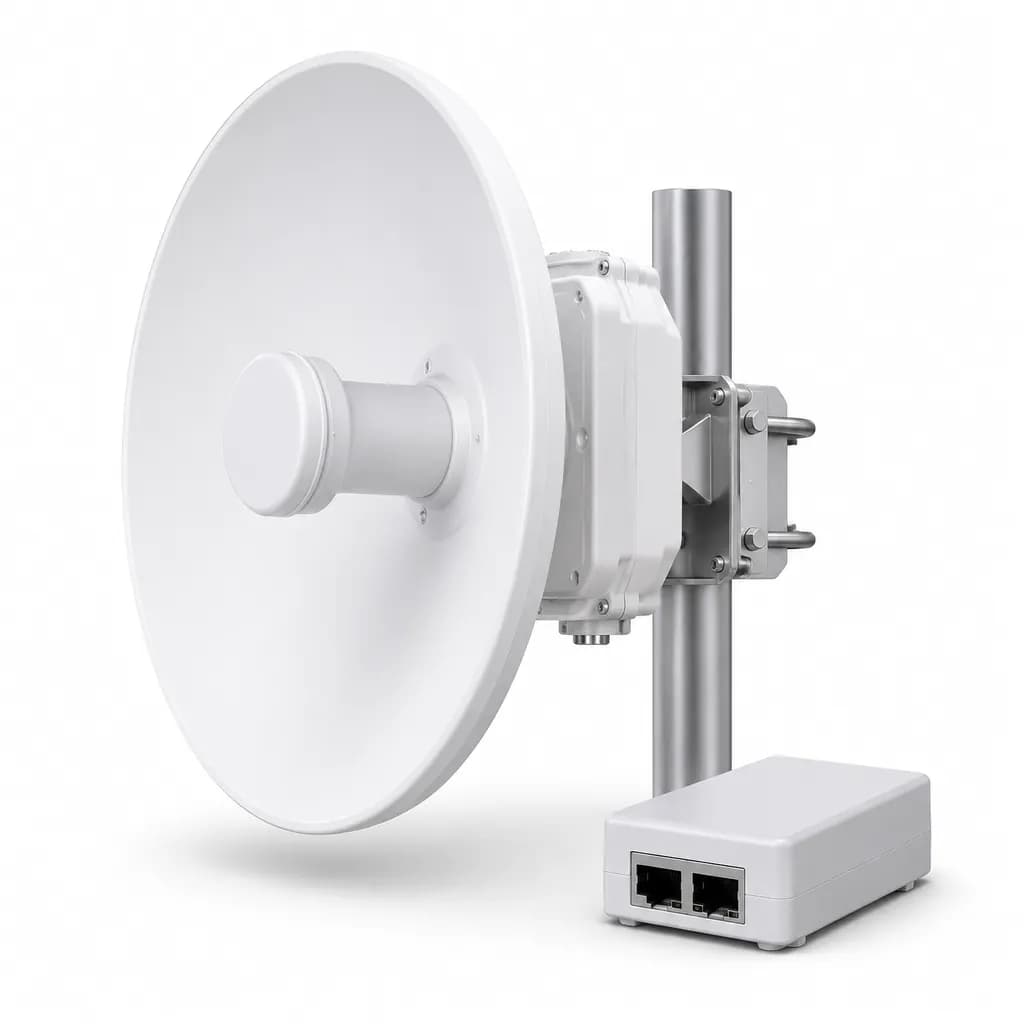
Outdoor Wi-Fi, Point-to-Point and Point-to-Multipoint Wireless Links
Radios that link buildings, reach rural subscribers and cover outdoor spaces: 5 GHz point-to-point and point-to-multipoint, 60 GHz and E-band short links, and weatherproof Wi-Fi access points. We match band, antenna gain and output power to local rules and to the link you need.
| Condition | New (sealed) · Open box · Refurbished A |
|---|---|
| Ships from | Dubai, UAE |
| Brands | Ubiquiti airMAX, airFiber and UniFi outdoor; Cambium ePMP and PTP; MikroTik; Mimosa; Siklu; outdoor APs from Cisco, Aruba and Ruckus |
| Typical models | Ubiquiti LiteBeam, PowerBeam, Rocket and airFiber 60; Cambium ePMP 4000 and PTP 550/670; MikroTik LHG, NetMetal and Cube 60 series; Siklu EtherHaul; Ruckus T350 and T750 |
| Form factor | Integrated-antenna radios, connectorised radios with dish or sector antennas, pole and wall mounts, outdoor APs in IP66/IP67 housings |
| Connectivity | PtP, PtMP with sector base stations and subscriber modules, mesh on outdoor APs; GPS synchronisation on selected PtMP platforms for co-located sectors |
| Ports & interfaces | Gigabit or 2.5G Ethernet, SFP on some backhaul radios, PoE-in and sometimes PoE-out for chaining a camera or AP |
| Performance | Capacity and range depend on band, channel width, antenna gain, line of sight and Fresnel-zone clearance; links should be modelled in the vendor's planning tool before ordering |
| Power | Passive 24 V or 48 V, or 802.3at/bt PoE depending on the radio; injectors and surge protectors listed in the quote, because mixing passive and standards-based PoE can damage equipment |
| Operating system | Vendor firmware (airOS, Cambium cnMaestro management, RouterOS, Mimosa cloud). Some cloud-management tiers are subscriptions, confirmed per unit. |
| Testing & grading | Refurbished units: power-on and radio test, firmware checked for country-code lock, factory reset |
| Warranty basis | Set out per quote. Vendor warranty may be restricted by region, or not apply at all, when a unit comes from outside the vendor's own sales channel; refurbished units carry the supplier's warranty where the supplier offers one. |
| Compliance & markings | Outdoor radios usually need national type approval, and band use is regulated: 5 GHz outdoor power limits and permitted sub-bands vary by country, E-band can require light licensing and conventional microwave needs a frequency assignment. We flag the position per model and country; the frequency licence itself is the operator's to obtain. |
| Packing | Radios, antennas and mounts in original packaging where available; dishes and long sector antennas cartoned separately and declared by volume for freight |
| Order quantity | Business volumes only. We quote from a pilot batch up to a full project bill of materials; tell us the quantity per line and we size the sourcing to it. |
| Lead time | Varies with model, condition, quantity and destination; each quote states the lead time we have confirmed with the supplier. |
| Documents | Commercial invoice, packing list, serial-number list, manufacturer declarations of conformity and radio test reports where the manufacturer publishes them, certificate of origin where required, air waybill or bill of lading |
- Price Beat Promise
- 15+ Years Export Experience
- Serials and Lifecycle Checked
- Export-Screened Orders
Best for
- WISP subscriber links and tower-to-tower backhaul
- Linking buildings on a campus, estate or factory site
- CCTV backhaul at mines, farms and ports
- Outdoor Wi-Fi at hotels, stadiums and public spaces
How we source Outdoor and Point-to-Point Wireless
Band choice comes first. Licence-exempt 5 GHz is the workhorse for point-to-multipoint access and medium-range links, but it is crowded near towns and subject to national power limits. 60 GHz radios carry gigabit traffic over short, clear paths and are hardly affected by interference, though heavy rain shortens their reach. E-band (70/80 GHz) carries multi-gigabit backhaul over a few kilometres and is lightly licensed in many countries, while traditional licensed microwave covers longer hops with a frequency assignment from the regulator.
Outdoor radios fail more from the environment than from age. Lightning and surges travel down the Ethernet cable, so earth every mast, fit surge protectors at both ends of outdoor runs and use shielded, outdoor-rated cable. Heat, dust and UV degrade cheap enclosures; look for IP66 or IP67 ratings and stated operating temperatures that match your site. Ordering a spare radio for every few links installed costs little compared with a technician's trip to a remote tower.
Regulation applies to almost everything here. Point-to-point and outdoor radios generally need type approval, and some vendors sell US-market versions locked to FCC channels and power settings that are unsuitable outside North America. We source international or country-appropriate versions, check the firmware lock on refurbished units and tell you where national approval is still to be confirmed. For a fuller picture, read our guide to type approval for wireless equipment in Africa.
Before you request a quote
Do I need a licence to run a 5 GHz point-to-point link?
In many countries 5 GHz links are licence-exempt within set power limits and sub-bands, but the rules differ and some regulators require registration or a licence for outdoor or high-power use. The equipment itself usually needs type approval. Check with your national regulator before deployment.
What is the difference between 60 GHz and E-band radios?
60 GHz radios are usually licence-exempt and suit short links of a few hundred metres up to around a couple of kilometres. E-band at 70/80 GHz carries higher capacity over longer distances but often needs a light licence. Both need clear line of sight and both lose range in heavy rain.
Can I mix passive PoE radios with an 802.3at switch?
Not directly. Passive 24 V or 48 V radios expect constant voltage on the cable, while 802.3af/at/bt switches negotiate power first. Use the correct injector or a switch that supports the passive mode, and never plug a passive injector into a device that is not designed for it.
Related product lines
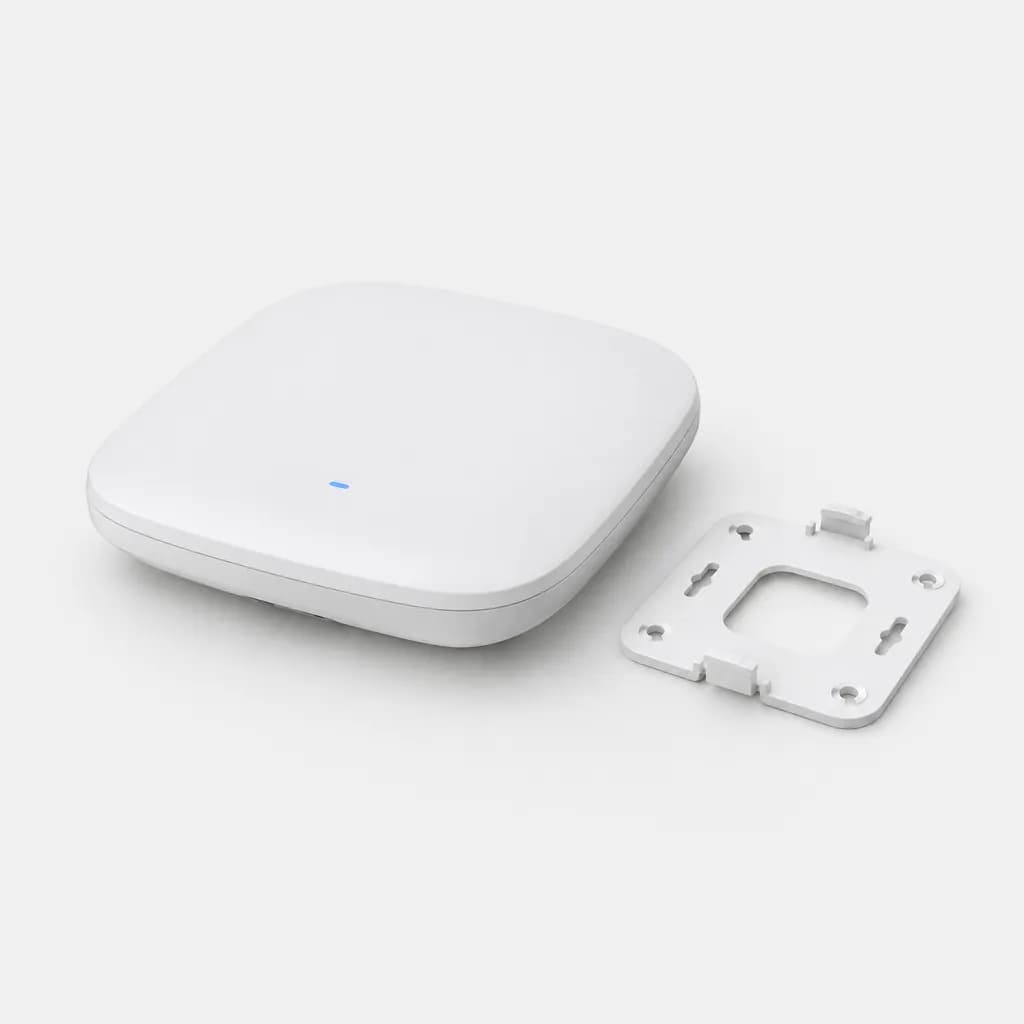
Wi-Fi Access Points and Controllers
Wi-Fi 6/6E/7 · 2×2 to 4×4 · PoE+ or 802.3bt · controller or cloud
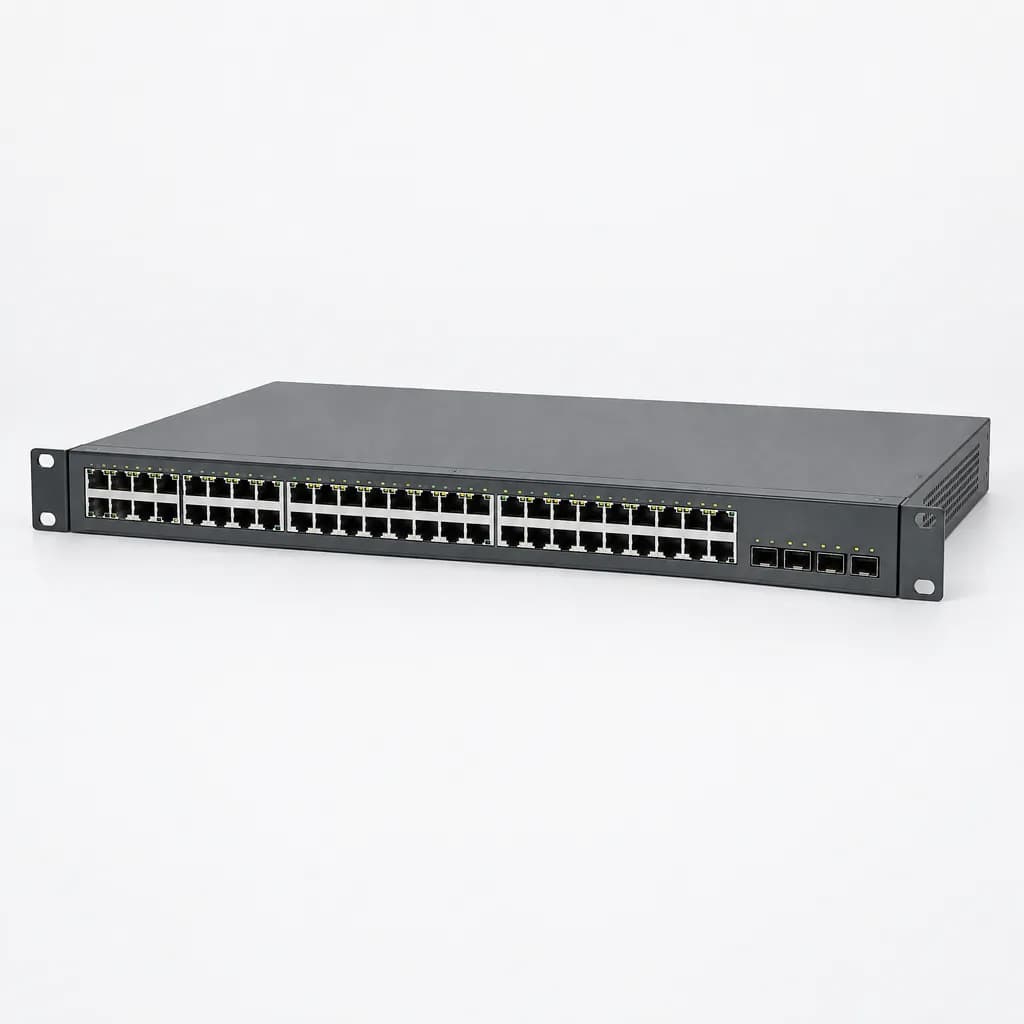
PoE Access Switches
8–48 ports · PoE/PoE+/802.3bt · 1G or mGig · SFP+ uplinks
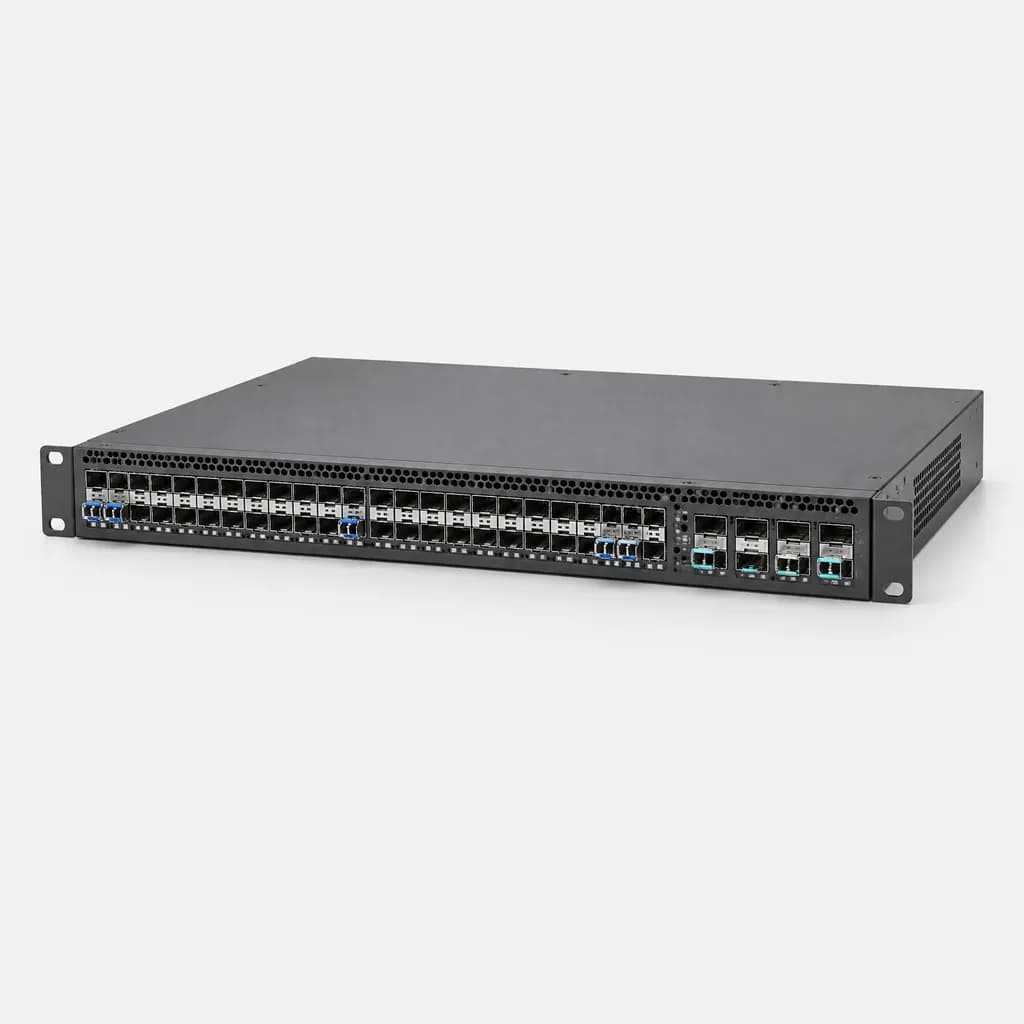
Core and Aggregation Switches
24–48 × SFP+/SFP28 · 40/100G QSFP · dual PSU · Layer 3