
Route and subscriber scale
Forwarding-table capacity for full IPv4 and IPv6 tables, and session scale for PPPoE or IPoE broadband, checked on the exact route processor or card.
Switches · routers · wireless · optics
Sourced to order through Dubai, new or refurbished
Price Beat Promise on like-for-like written quotes
For service providers
Internet service providers buy across the whole network at once: border routers, aggregation switches, backhaul radios, subscriber equipment and the optics in between. We source each layer through Dubai, check route capacity, power options and licence state on carrier gear, and flag the regulatory steps for radios and Wi-Fi CPE.
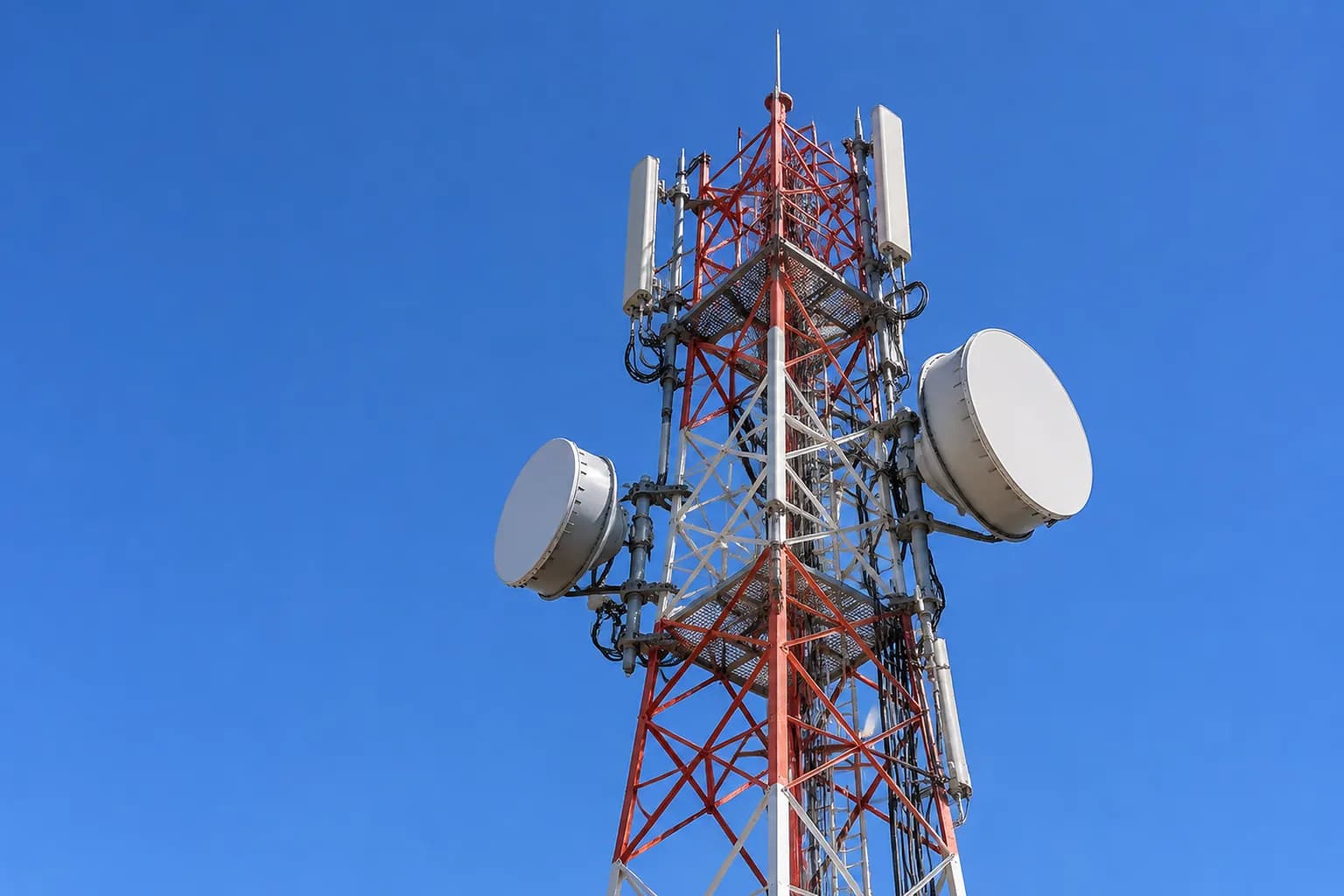
Service providers buy for growth and for failure. A border router has to take full Internet tables today and in three years; an aggregation switch has to absorb new towers or new PON ports without a forklift upgrade; subscriber radios and ONTs arrive in hundreds and need to be identical. Spares matter more than for an enterprise, because a dead radio on a remote tower or a failed line card at a POP is a customer outage until the replacement arrives.
Fixed-wireless operators typically combine 5 GHz point-to-multipoint for subscribers, 60 GHz or E-band for dense short hops and licensed microwave for longer backhaul. Fibre operators combine OLTs, splitters, drop cable and ONTs, often alongside fixed wireless for areas fibre has not reached. Both depend on a reliable edge: MikroTik CCR routers for smaller networks, and Juniper MX, Cisco ASR or NCS, or Nokia platforms as traffic and redundancy needs grow.
Regulation runs through all of it. Radios and Wi-Fi CPE usually need national type approval, frequency use outside licence-exempt bands needs an assignment from the regulator, and your operating licence may set conditions on the equipment you deploy. We check equipment-side approval positions where regulators publish them; spectrum and operating licences remain the operator's responsibility.
Carrier and subscriber equipment have different risks. These are the checks we run most often for ISP orders.
Forwarding-table capacity for full IPv4 and IPv6 tables, and session scale for PPPoE or IPoE broadband, checked on the exact route processor or card.
DC supplies for shelters, extended temperature ratings, spare fans and supplies, and industrial-temperature optics for hot cabinets.
Subscriber radios and ONTs from one hardware revision and firmware family where possible, with OLT interoperability tested on samples.
Type approval and regulatory variant for every radio and Wi-Fi ONT, plus country-locked firmware checks on refurbished units.
Service-provider requests work best as a layered bill of materials. Include these points for each layer.
The same four checkpoints keep the sample, contract and commercial lot aligned.
We go through edge, aggregation, backhaul and access with you and agree what is in scope.
Route scale, power and licence state on carrier gear; approval position and variants on radios and CPE.
One quote per layer or for the whole build, including optics, power options and the spares you asked for.
Carrier gear by air when urgent, CPE and cable by sea when volume allows, with serial lists for every active unit.
Yes, we source CPE in project volumes. Tell us the quantity and whether one hardware revision matters, and we will confirm what suppliers can provide as a consistent batch.
We can source licensed microwave equipment, but the frequency assignment must come from your regulator and the radio variant must match the assigned band. Send the band and channel plan with the request.
Yes. Send the product IDs of the route processors, line cards, power supplies or fan trays you need, and we will look for compatible new or refurbished parts.
Send the models or specifications, quantities, condition, destination and timeline. Our sourcing desk checks availability with suppliers and replies with written options.