

FTTH Access: OLT, ONT and PON Passives
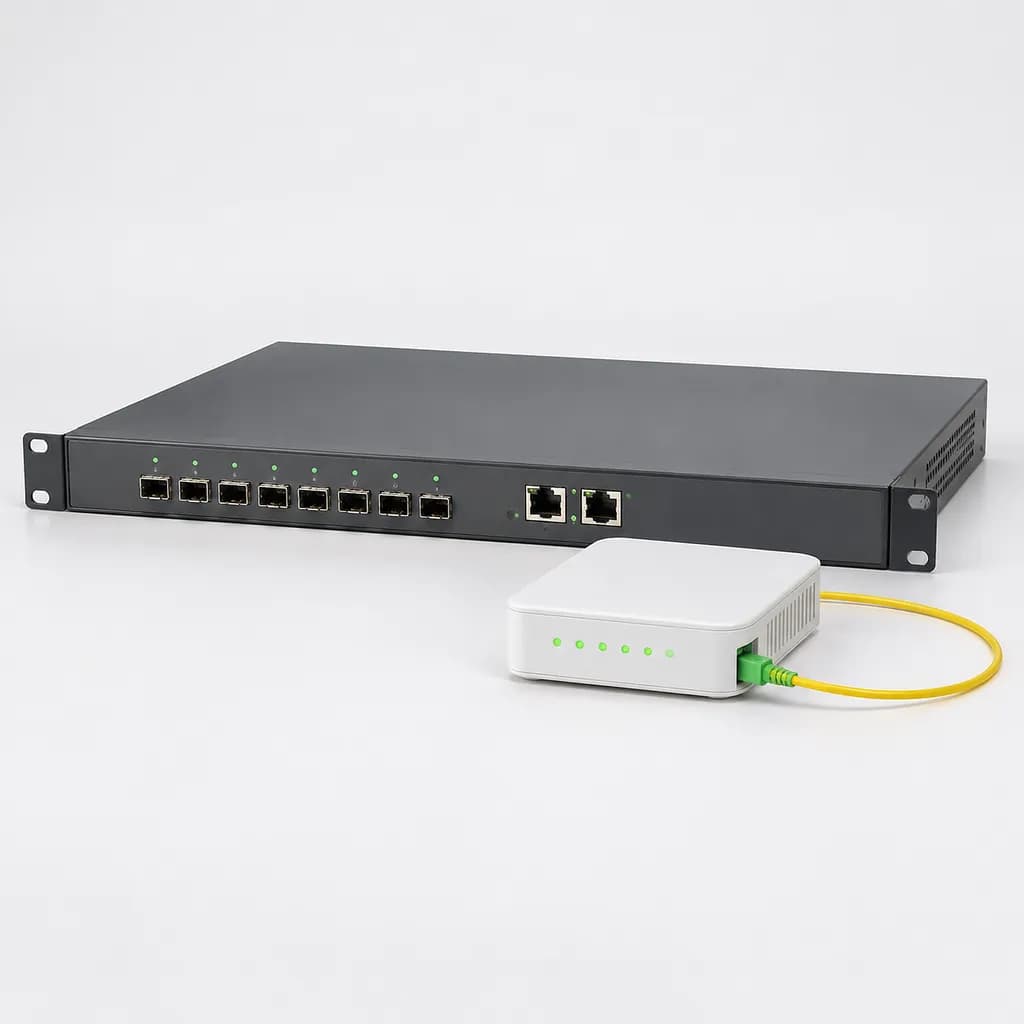
FTTH Access Equipment: GPON and XGS-PON OLTs, ONTs, Splitters and Passives
Fibre-to-the-home equipment for ISPs and property developers: chassis and compact OLTs, GPON and XGS-PON ONTs with or without Wi-Fi, PLC splitters, closures and drop cable. We source vendor-neutral and check OLT and ONT interoperability before you commit to a mix.
| Condition | New (sealed) · Refurbished OLT chassis on request |
|---|---|
| Ships from | Dubai, UAE |
| Brands | Huawei, ZTE, Nokia, FiberHome, V-SOL, BDCOM, C-Data and other OLT and ONT platforms on request |
| Typical models | Compact 4-, 8- and 16-port PON OLTs; chassis OLTs with GPON and XGS-PON line cards; bridge and router ONTs with Wi-Fi 5 or Wi-Fi 6, voice ports and CATV options; PLC splitters from 1:2 to 1:64; distribution boxes, closures, drop cable and patch cords |
| Form factor | 1U compact OLTs, multi-slot chassis OLTs, desktop or wall ONTs, splitter cassettes and outdoor enclosures |
| Ports & interfaces | PON ports with SFP optics (class B+, C+ or C++ for GPON; N1 or N2 for XGS-PON); 10G and 100G uplinks; ONT LAN, voice and Wi-Fi interfaces |
| Performance | GPON (ITU-T G.984) shares 2.488 Gbps down and 1.244 Gbps up per PON port; XGS-PON (ITU-T G.9807.1) shares about 10 Gbps in each direction; split ratio and optical budget define how many homes each port serves and how far |
| Power | OLTs with dual AC or −48 V DC supplies; ONTs on local adapters with the destination plug; battery-backed ONT options for voice |
| Operating system | OLTs managed through the vendor's element management system, with some features licensed per port or per ONT. ONT firmware must work with the OLT's OMCI implementation, so mixed-vendor deployments are tested before rollout. |
| Testing & grading | OLT boot and PON port test; sample ONTs tested against the target OLT where possible; optical power readings recorded on request |
| Warranty basis | Set out per quote. Vendor warranty may be restricted by region, or not apply at all, when a unit comes from outside the vendor's own sales channel; refurbished units carry the supplier's warranty where the supplier offers one. |
| Compliance & markings | Wi-Fi ONTs are radio equipment and may need type approval in the destination country; CE and RoHS declarations as published by the manufacturer |
| Packing | OLTs in original or new export cartons; ONTs in multi-unit cartons with adapters; splitters and passives boxed by type; drop cable on drums |
| Order quantity | Business volumes only. We quote from a pilot batch up to a full project bill of materials; tell us the quantity per line and we size the sourcing to it. |
| Lead time | Varies with model, condition, quantity and destination; each quote states the lead time we have confirmed with the supplier. |
| Documents | Commercial invoice, packing list, serial-number list, manufacturer declarations of conformity and radio test reports where the manufacturer publishes them, certificate of origin where required, air waybill or bill of lading |
- Price Beat Promise
- 15+ Years Export Experience
- Serials and Lifecycle Checked
- Export-Screened Orders
Best for
- ISPs building or extending FTTH in towns and estates
- Property developers fibring apartments and gated communities
- Campus and hotel fibre-to-the-room projects
- Operators upgrading busy GPON ports to XGS-PON
Further reading
How we source FTTH Access: OLT, ONT and PON Passives
GPON is still the volume technology for residential fibre: mature, widely interoperable and inexpensive at the subscriber end. XGS-PON gives each port roughly four times the downstream and eight times the upstream capacity, which matters where you sell symmetric business services or expect gigabit plans to become the norm. Most current chassis OLTs accept both line cards, and combo optics let GPON and XGS-PON subscribers share one fibre during an upgrade.
Interoperability is the issue that catches new operators. OLTs and ONTs talk through a management protocol called OMCI, and although it is standardised, vendors implement it differently. An ONT that registers on one OLT may lose voice, VLAN or Wi-Fi management on another. The safe routes are buying OLT and ONTs from one platform, or testing samples of the proposed ONT on your OLT before ordering in volume, which we can arrange with the supplier where samples are available.
Plan the optical budget before you choose a split ratio. A GPON class B+ optic allows about 28 dB of loss and class C+ about 32 dB; a 1:32 splitter alone takes around 17 dB, before fibre, connectors and splices are counted. Higher split ratios save OLT ports but shorten reach and divide bandwidth across more homes. Wi-Fi ONTs are radio equipment and may need type approval in your country, which we check per model.
Before you request a quote
Can I use ONTs from one vendor with an OLT from another?
Sometimes, but test first. OMCI implementations differ, so basic data service may work while voice, VLAN or Wi-Fi management do not. Order a few sample ONTs for testing on your OLT before buying in volume.
Should a new FTTH build use GPON or XGS-PON?
GPON remains the cost-effective choice for mainly residential plans. If you sell business services or expect gigabit plans to dominate, deploy an XGS-PON-capable OLT and use combo optics so both kinds of ONT can share the same fibre.
Do Wi-Fi ONTs need type approval?
In many countries, yes, because they contain Wi-Fi radios. Approval is usually model-specific, so we check whether the proposed ONT model has approval in your market before quoting volume.
Related product lines
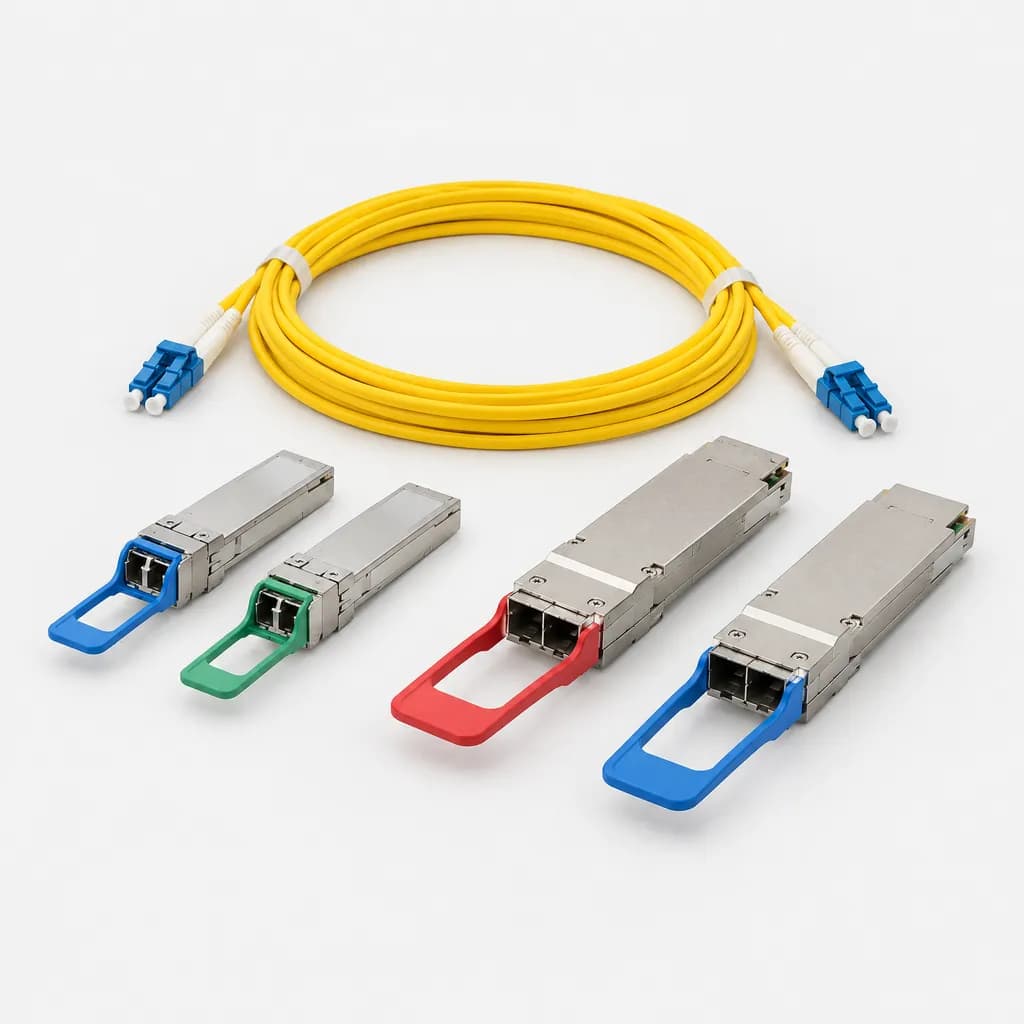
SFP, SFP+ and QSFP Optical Transceivers
1G–400G · SR/LR/ER/ZR · BiDi and CWDM · coded per platform
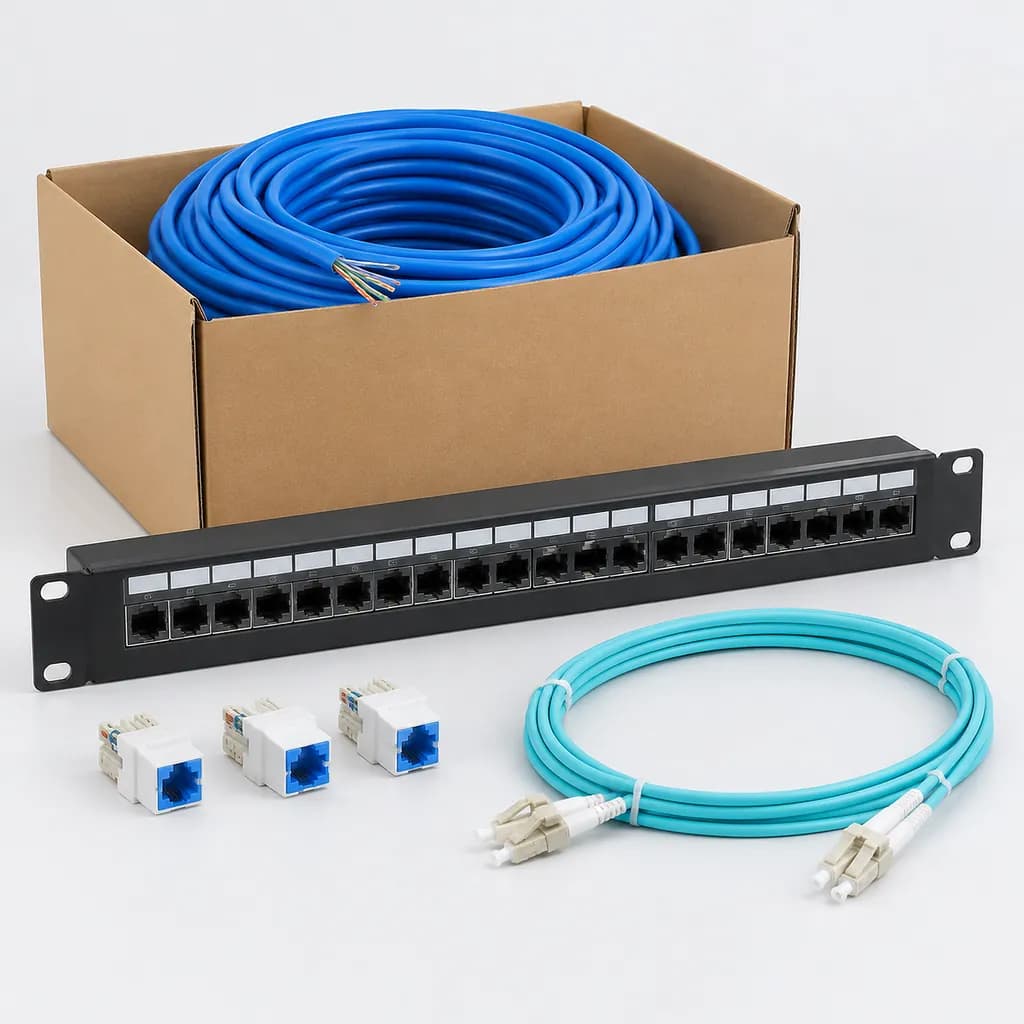
Structured Cabling: Copper and Fibre
Cat6/Cat6A U/UTP and F/UTP · OS2/OM3/OM4 · LSZH or PVC
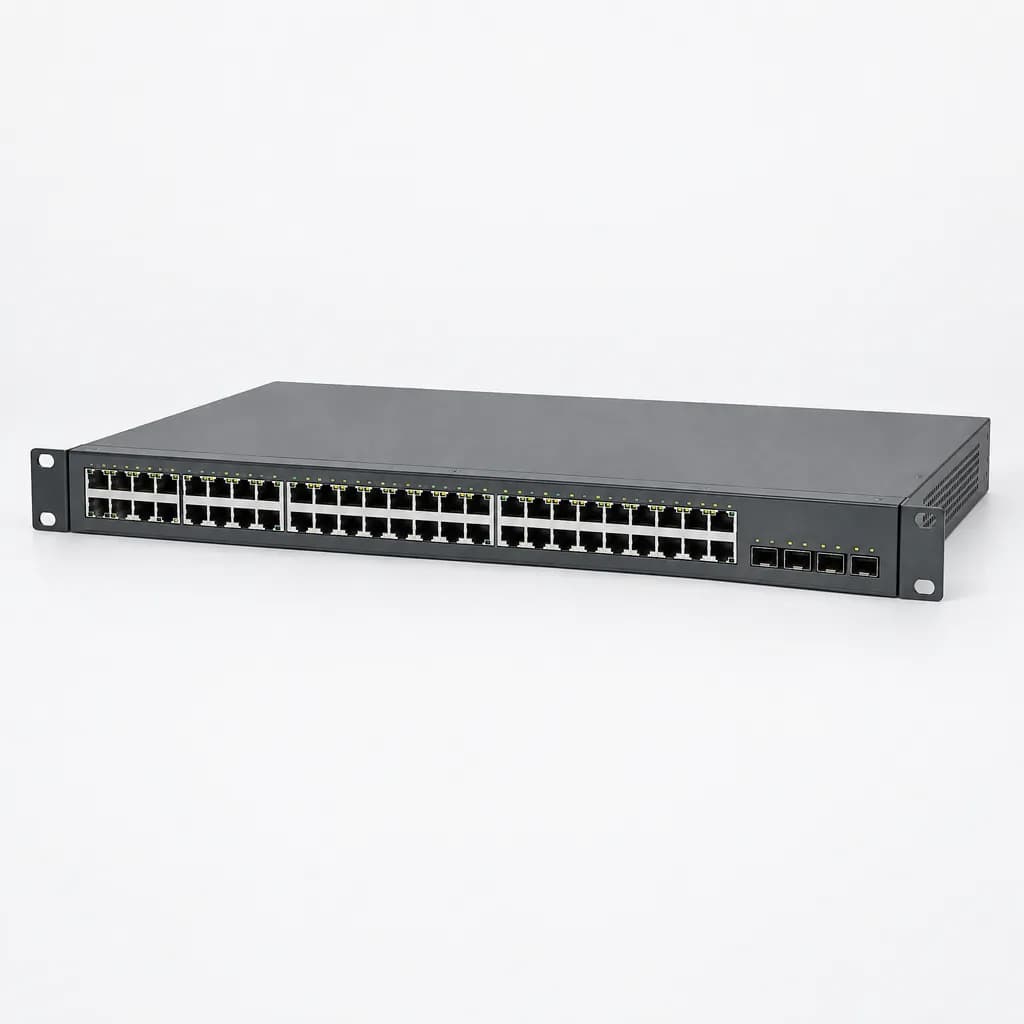
PoE Access Switches
8–48 ports · PoE/PoE+/802.3bt · 1G or mGig · SFP+ uplinks